

In Nigeria’s rapidly growing poultry industry, attention is often focused on feed formulation, vaccination schedules, and biosecurity — yet one of the most critical success factors is often overlooked: the welfare of poultry attendants.
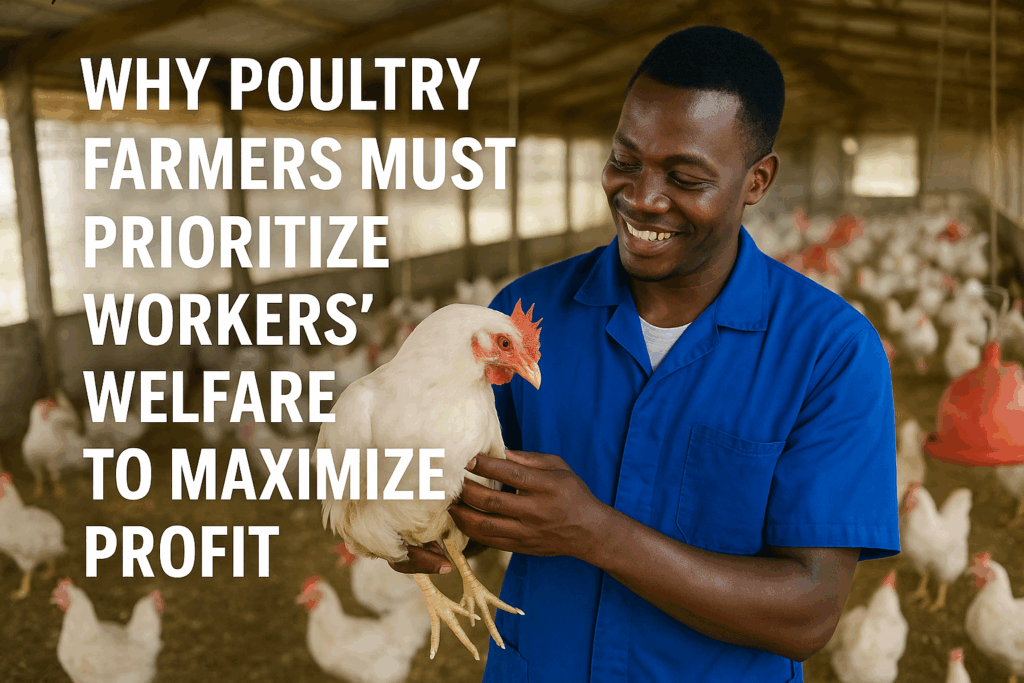
Poultry attendants are the heartbeat of every farm. They handle feeding, cleaning, medication, record-keeping, and the day-to-day supervision of birds. Despite their indispensable role, many are underpaid, overworked, and undervalued. Experts warn that this neglect can silently erode productivity, increase losses, and threaten long-term profitability.
According to Dr. Abiola Ogunbiyi, a veteran animal scientist and farm management consultant, “A poultry farm is only as healthy as the people running it. If your workers are unhappy or neglected, the birds will reflect it in poor growth, high mortality, and reduced egg production.”
Below are key reasons why farmers must treat their workers well if they aim to build a sustainable and profitable poultry enterprise:
- Worker Welfare Directly Influences Bird Performance
Healthy, motivated attendants handle birds with greater care, follow vaccination schedules more diligently, and maintain cleaner environments. Research published by the Nigerian Journal of Animal Production (2022) shows that farms with motivated workers record up to 20% higher egg yield and 15% lower mortality rates compared to farms where staff welfare is ignored.
Stress or fatigue among attendants often leads to negligence — such as skipping feed times or improper cleaning — which increases disease outbreaks and economic losses.
- Motivation Reduces Theft, Waste, and Conflict
Low pay, poor working conditions, and lack of appreciation often breed resentment, leading to theft, feed wastage, or careless handling. Conversely, fair wages and occasional incentives build trust and accountability.
Experts recommend small gestures such as monthly performance bonuses, provision of medical support, or even basic recognition of good work. These practices foster a sense of belonging and significantly reduce operational risks.
- Emotional Connection Improves Commitment
Poultry work can be repetitive and physically demanding. Creating a friendly and respectful relationship with staff enhances their emotional connection to the farm. Workers who feel respected are more likely to alert management early when something goes wrong — from equipment failure to bird distress — thereby preventing huge losses.
A simple “thank you,” occasional lunch, or interest in a worker’s personal well-being can transform attitudes and productivity.
- Lower Staff Turnover Saves Costs
High turnover disrupts farm operations and increases training expenses. Every new attendant needs weeks to learn routines and understand the flock’s behavior. Retaining experienced workers ensures operational stability and continuity, which ultimately protects profit margins.
Providing fair compensation, rest days, and clear communication channels can significantly reduce turnover rates.
- Workers’ Welfare Reflects Farm Reputation
In today’s socially conscious business environment, farm owners are judged not only by the quality of their produce but also by how they treat their staff. Ethical employment practices attract partnerships, investors, and loyal customers. A farm that is known for good worker relations enjoys goodwill within its community and among agricultural stakeholders.
- Humane Management Enhances Long-Term Sustainability
A successful poultry enterprise balances animal welfare and human welfare. When attendants feel valued, they naturally take better care of the birds. This symbiotic relationship improves flock performance, ensures consistent output, and supports farm longevity.
As Dr. Ogunbiyi emphasizes, “You can’t expect compassion from someone who feels mistreated. The same hands that feed your chickens should be treated with respect and dignity.”
Conclusion
Farm profitability doesn’t depend solely on technology, feed, or vaccines — it depends on people. The human element in poultry production remains irreplaceable. A happy, motivated attendant will always deliver better care, fewer losses, and higher yields.
Farmers who invest in worker welfare are not just being kind; they are being strategic. In the end, a farm that values its people will always produce birds that perform better and profits that last longer.