
The Alaafin of Oyo, His Imperial Majesty, Oba Engineer Abimbola Akeem Owoade I, has again raised concerns over the steady decline of Yoruba cultural values, warning that the grip of Western religious doctrines continues to erode the foundations of traditional heritage.
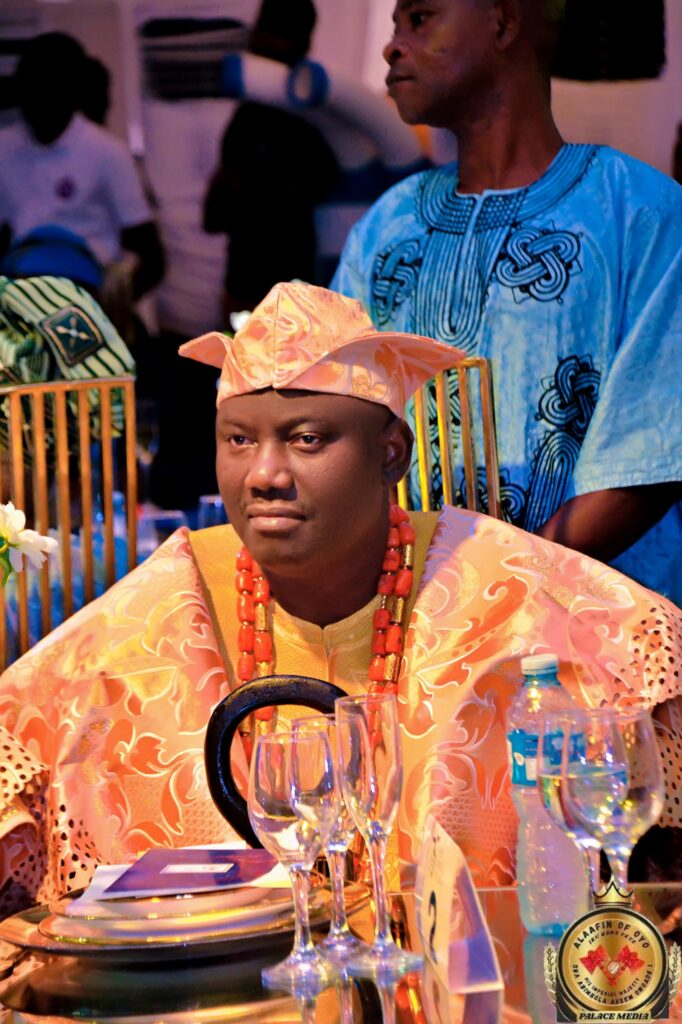
Speaking on the rising trend in religious music and teachings that openly disparage Yoruba customs as released By Bode Durojaiye, Director of Media and Publicity to the Alaafin, the Paramount Ruler condemned what he described as “the dangerous acceptance of Western religious narratives that rubbish our indigenous systems.”
Citing a popular contemporary religious refrain, “Ijo ti mo jo, ijo adura ni, Oba ma je n sodi wuke niwaju opon Ifa,” the Alaafin lamented that many now celebrate songs that openly mock Ifa divination and traditional beliefs. According to him, this mindset reflects a growing disregard for ancestral heritage.
Yoruba Culture: A Global Identity Under Threat
The Alaafin emphasized that Yoruba people—one of Africa’s most prominent ethnic groups—are widely known for their deep attachment to culture, wherever they are found across the world. Despite modernization, he noted, Yoruba traditions have historically remained vibrant and influential.
To him, “a nation or tribe without customs is as good as a horde of gorillas ravaging the deep forests.” He stressed that although modernization has challenged indigenous practices, Yoruba customs have persisted like “an ancient fortress built to withstand fierce onslaughts.”
Western Influence and Cultural Displacement
Oba Owoade expressed worry over the increasing dominance of Christianity and Islam, observing that many Yoruba now adopt Western values “hook, line and sinker” with little critical reflection.
He described this as “a shameful development,” noting that many people now feel compelled to be “more Catholic than the Pope,” sidelining the traditions that define their identity.
Yoruba Epistemology: A Guide to Morality and Order
Highlighting the depth of Yoruba knowledge systems, the Alaafin explained that indigenous epistemology was purposefully structured to shape behavior, worldview, and civic responsibility.
He noted that in the traditional Yoruba setting—despite the absence of written scriptures—children were raised with strong moral discipline, learning etiquette, values and communal responsibility early in life.
Calls for Renewed Study of Yoruba Political System
Oba Owoade urged scholars and policymakers to revisit the pre-colonial governance structure of ancient Oyo, describing it as “an enduring legacy of constitutional government.”
He referenced Sango as a founding father who left behind a model of governance yet to be surpassed by modern administrative systems.
According to the Alaafin, the Oyo pre-colonial system thrived on a sophisticated structure of checks and balances that reflected the people’s aspirations and cultural sensibilities. This, he argued, is the kind of indigenous blueprint needed to address Nigeria’s current political and developmental challenges.